Israel’s Gaza strategy

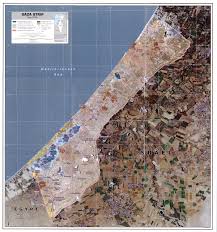
In the fog of war, it isn’t just the truth that falls casualty. So does common sense. Quite a few pundits seem to think that Israel lacks a strategy in Gaza. But unlike the Lebanon war of 2006, this war has been planned in advance, and every stage has been war-gamed. Here is my read of Israel’s strategic plan, which lies behind “Operation Cast Lead.”

Israel’s long-term strategic goal is the elimination of Hamas control of Gaza. This is especially the goal of the Kadima and Labor parties, which are distinguished by their commitment to a negotiated final status agreement with the Palestinian Authority led by Mahmoud Abbas. The Hamas takeover in Gaza reduced Abbas to a provincial governor, who no longer represents effective authority in all the areas destined for a future Palestinian state. Hamas rule in Gaza is a bone in the throat of the “peace process”—one Israel is determined to remove.

Struggle over Sanctions. But how? After the Hamas takeover in June 2007, Israel imposed a regime of economic sanctions on Gaza, by constricting the flow of goods and materials into Gaza via its crossings to Israel. The idea was gradually to undermine the popularity of Hamas in Gaza, while at the same time bolstering Abbas. Israel enjoyed considerable success in this approach. While the diplomatic “peace process” with Abbas didn’t move very far, the West Bank enjoyed an economic boomlet, as Israel removed checkpoints and facilitated the movement of capital, goods, workers, and foreign tourists. So while Gaza languished under sanctions, with zero growth, the West Bank visibly prospered—reinforcing the message that “Islamic resistance” is a dead end.

Hamas in power, from the outset, sought to break out of what it has called the Israeli “siege” by firing rockets into Israel. Its quid pro quo was an end to Hamas rocket fire in exchange for a lifting of the Israeli “siege.” When Israel and Hamas reached an agreement for “calm” last June, Hamas hoped the sanctions would be lifted as well, and Israel did increase the flow through the crossing points, by about 50 percent. Fuel supplies were restored to previous levels. But Hamas was fully aware that sanctions were slowly eroding its base and contradicting its narrative that “resistance” pays. This is why it refused to renew the “calm” agreement after its six-month expiration, and renewed rocket fire.

Were Israel to lift the economic sanctions, it would transform Hamas control of Gaza into a permanent fact, solidify the division of the West Bank and Gaza, and undermine both Israel and Abbas by showing that violent “resistance” to Israel produces better results than peaceful compromise and cooperation. Rewarding “resistance” just produces more of it. So Israel’s war aim is very straightforward, and it is not simply a total cease-fire. At the very least, it is a total cease-fire that also leaves the sanctions against Hamas in place. This would place Israel in an advantageous position to bring about the collapse of Hamas rule sometime in the future—its long-term objective.

Cease-Fire on Israel’s Terms. The Israeli operation is meant to impress on Hamas that there is something far worse than the sanctions—that Israel is capable of hunting Hamas on air, sea, and land, at tremendous cost to Hamas and minimal cost to Israel, while much of the world stands by, and parts of it (including some Arabs) quietly applaud. Israel’s aim is not to bring down Hamas at this stage, but to compel it to accept a cease-fire on Israel’s terms—terms that leave the sanctions in place.

Many Western and Arab governments see the logic of this. They would like to see Abbas and the Palestinian Authority back in authority over Gaza, thus restoring credibility to the “peace process.” Because they wish to see Hamas contained if not diminished, they have moved slowly or not at all to respond to calls for action to stop the fighting. The question now is how Israel turns its military moves into political moves that achieve the shared objectives of this coalition of convenience.

A hint of the solution Israel envisions comes from a senior Israeli diplomatic source: “Israel cannot agree that the only party responsible for implementing and regulating the cease-fire be Hamas.” Israel’s objective is to put another player on the ground in Gaza, which over time would be positioned to undermine Hamas. And since the objective is gradually restoring Gaza to control by Abbas and the Palestinian Authority, it seems logical to assume that this mechanism will be designed to enforce Hamas submission to that authority. Hamas would swallow the pill in the name of “national unity,” but it would become beholden to the PA.

It is the PA, for example, which could be reinserted at the Egyptian border crossing at Rafah (as already demanded by Egypt). It is the PA that could be given exclusive control of reconstruction budgets to repair damaged and destroyed ministries, mosques, and homes. (In the eventual reconstruction boom, Israel will hold all the cards: Gaza has no construction materials, and gravel, aggregate, and cement must be trucked in from Israel.) The premise is that if economic sanctions are to be lifted—and post-war Gaza will be desperately in need of all material things—it must only be through the agency of the PA. Finally, PA security forces could be reintroduced in a police capacity, as part of the “national” reconciliation. An envelope for this restoration of the PA could be provided by the international community.

It isn’t impossible that Israel would go beyond its declared aims and bring Hamas down if Hamas appeared sufficiently damaged by initial ground operations. If Israeli forces are positioned to do this, and Hamas begins to unravel, the impetus to finish the job would be strong. This could make for a much quicker handoff to the PA, via some internationalized body. Israeli disavowals of interest in this outcome, at this time, should be taken with a grain of salt. Israel won’t miss an opportunity if it presents itself.

Possible Complications. What could go wrong with this scenario? A lot. Hamas assumes (probably correctly) that its Palestinian opponents fed Israel with much of the intelligence it needed to wage precision warfare against Hamas. There is likely to be a vicious settling of scores as soon as a cease-fire is in place, if not before, and which could approximate a civil war. This could open space for small groups like Islamic Jihad and other gangs, which could shoot off rockets at their own initiative (or that of Iran). If something can go wrong in Gaza, there is a good chance it will. Much of the aftermath will have to be improvised, and much will depend on how thoroughly Israel has degraded the capabilities of Hamas.

If Hamas remains a player, the biggest risk to Israel is that the mechanism created through diplomacy to “implement and regulate” ends up legitimating Hamas. The temptation to “engage” Hamas has grown in Europe, and even among some Americans, ever since the Hamas victory in the 2006 legislative council elections. As diplomats work to put together a cease-fire mechanism, Hamas will work hard to tempt governments to talk to it, persuading them to skirt the Quartet’s insistence that Hamas not be “engaged” until it accepts past PA-Israel agreements, recognizes Israel, and renounces armed struggle.

Legitimation of Hamas could seal the fate of the “peace process,” and give “resistance” the reputation of a truly winning strategy. The United States will have to assure that all contact with Hamas runs exclusively through the Egyptians, the Saudis, the Turks, and above all, the PA. Europe and the United States must stay well out of the diplomatic reach of Hamas, until it meets the Quartet conditions—a highly improbable prospect.

Politics Will Return. As with any multi-stage plan, Israel’s appears clearer at the outset and fuzzier in the later stages, where consensus dissipates. In particular, the opposition Likud has less confidence in Abbas and the “peace process” as presently configured. While it is adamant about ending Hamas rule in Gaza, it would be much less concerned with restoring the unity of the Palestinians. As Israel achieves its military aims, underlying political differences, now suppressed, are bound to surface, especially as elections are only a month away.

But for now, Israel is united in pursuing its war of demolition against Hamas. Its aim is not only to stop the rockets from falling in southern Israel, but to move a long stride forward toward a change of regime in Gaza.

This post originally appeared in the series On Second Thought, published by the Adelson Institute for Strategic Studies, Shalem Center, Jerusalem.

Hamas and the Bushes

It was December of an election year, and President Bush was winding up his term. The newly elected Democrat was waiting in the wings. In Israel, a prime minister who seemed committed to the “peace process” decided to put an end, once and for all, to the threat posed by Hamas to Israel’s citizens. The prime minister took a bold move, and entrusted Ehud Barak to do the job.

No, this scenario isn’t December 2008. It’s December 1992. The outgoing president was George H.W. Bush; the incoming one, Bill Clinton. The Israeli prime minister was Yitzhak Rabin; Ehud Barak held the post of IDF Chief of Staff. The bold move? The deportation of 415 Hamas activists from the West Bank and Gaza to south Lebanon, following Hamas’s killing of four Israeli soldiers, and its abduction-murder of a border policeman. Those expelled included Ismail Haniyeh, now the Hamas “prime minister,” and Mahmud az-Zahar, today its “foreign minister.” Israel announced that the deportation would be “temporary,” for two years, and that it was required by the “state of emergency” engendered by Hamas attacks.

Israel’s action caused an international uproar. The Palestinians claimed that Israel had violated the Fourth Geneva Convention, and the images from south Lebanon, where the deportees camped out in tents in a winter landscape, boomeranged on Israel. Even the United States wouldn’t stand by Rabin. The U.N. Security Council passed a unanimous resolution which “strongly condemns the action taken by Israel, the occupying power, to deport hundreds of Palestinian civilians.” U.S. Secretary of State Lawrence S. Eagleburger said the deportation would raise “a lot of serious problems for the peace process,” which the Bush administration wanted to keep “in as a good a shape as we can between now and when Clinton comes in.” Israel soon found itself capitulating—offering to take back some of the deportees, and eventually, within less than a year, all of them. By all reckonings, Israel was defeated politically; Hamas emerged strengthened.

Time and again, Hamas has been saved by the West’s (uneven) application of its principles, only to terrorize another day. It happened again during the George W. Bush administration which, in the name of the vaunted ideals of democracy, allowed Hamas to participate in Palestinian legislative elections—without requiring it to dismantle its terrorist apparatus or accept Israel. Hamas then turned its unexpected electoral victory into a coup in Gaza, acquiring a territorial foothold. Its leaders, who once stood in the freezing rain on a hill in Lebanon, have become rulers of an Islamist principality, where firing indiscriminately into Israel is a sacred ritual that affirms the Palestinian so-called “right of resistance.”

A lot has changed since 1992, and this Bush administration, having waged its own “war on terror,” seems to understand the obvious: that this is the last chance to reduce Hamas to its true proportions, lest the “peace process” finally become the lost cause it’s often appeared to be. But will the United States hold the line alone? Already the British foreign secretary, David Miliband, a kid think-tanker back in 1992, has decided that the level of civilian casualties in Israel’s operation is “unacceptable.” (More precisely, he said that “any innocent loss of life is unacceptable,” which sets a new standard for modern warfare—one that Britain has never once upheld.) The West is forming a line to throw yet another life preserver to a terrorist gang that has become a terrorist entity, and that needs just a little more indulgence to become a terrorist state.

Twice, presidents named Bush have done Hamas big favors. These favors were inadvertent, but they were game-changers. It’s time for a President Bush to do Israel a favor, and let it shove Hamas up against the wall, or right through the wall, depending on what’s still feasible. No doubt President Bush would have preferred to leave office with a tidy “peace process,” good to go. But who couldn’t hear the Hamas bomb ticking in the corner? Better Israel defuse it now, than have it go off under Barack Obama just when he’s trying to defuse an even bigger bomb-making operation—in Iran.

Скрытые и явные угрозы

Скрытые и явные угрозы
26/12/2008
Мартин Крамер

В основе финансового кризиса лежит хорошо разработанный механизм сокрытия угроз. Риск оставался, он постоянно рос, но можно было замаскировать его, изменить облик, название, так что, в конце концов, он словно бы и вовсе исчез.

Это похоже на дискуссии об американской внешней политике. Политические деятели и ученые мужи умалчивают о существующих опасностях, дабы достичь своих целей. Когда речь шла о Ближнем Востоке, они умолчали о том, чем чревато извлечение из небытия Ясера Арафата; они умалчивали о рискованности игнорирования усиливавшейся “Аль-Каиды”; умалчивали о риске, с которым была связана оккупация Ирака. И эти угрозы вовсе не были им неведомы. Разведка работала исправно. Однако если у вас хватает ума и решимости, наличие этих угроз можно скрыть.

Но скрытая угроза никуда не исчезает. Невидимая, она накапливается, пока не приходит ей время обнаружиться вновь. Так случилось после Кэмп-Дэвида, когда захлебнулся в крови “мирный процесс”; так случилось 11 сентября 2001 года, когда воздушные пираты раскололи небо над Нью-Йорком и Вашингтоном; и то же самое произошло в Ираке, где вспыхнуло сопротивление. Вероятно, приуменьшать риск – характерная черта американцев: это касалось и американских финансовых рынков, а теперь мы видим то же самое в предвыборной политике. Результатом такой политики на Ближнем Востоке стала цепочка очень неприятных сюрпризов.

Характерный пример – отношение к исламскому радикализму. Казалось бы, никому не придет в голову игнорировать его после иранской революции, убийства Анвара Садата, террористических актов “Хизбаллы”, ХАМАСа и “Аль-Каиды”, скандала вокруг датских карикатур и прочих “сюрпризов”. И все же – налицо легионы комментаторов, аналитиков, ученых, принципиально стремящихся если не вовсе скрыть, то завуалировать существующий риск.

Вот некоторые наиболее распространенные вариации на эту тему.

Ахмадинеджад? Не обращайте на него внимания. На самом деле он в Иране – не главный, он – только номинальный руководитель. И, во всяком случае, он вовсе не говорил, что Израиль надо стереть с карты, как это ему приписывают. Все, чего иранцы на самом деле хотят, это – прийти к соглашению с нами. У них немало претензий, и некоторые вполне легитимны, так давайте их выслушаем, пригласим к столу переговоров без предварительных условий. Иран не так уж опасен; эта страна довольно невелика; и народ ее устал от революции. Так что не относитесь столь серьезно к Ахмадинеджаду и устаревшим лозунгам вроде “Смерть Америке!”: это не настоящий Иран.

ХАМАС? Вы ошибаетесь, боясь его. На самом деле он представляет иное лицо палестинского национализма. Это вообще не исламисты: в основе ХАМАСа – движение протеста против коррупции. При наличии соответствующих стимулов он может быть вовлечен в мирный процесс. Ну да, он утверждает, что никогда не признает Израиль – так ведь то же самое заявляла ООП, а разве она не изменила тон? Как бы то ни было, ХАМАС контролирует Газу, так что без него невозможно реальное мирное урегулирование, включающее вопросы Иерусалима, беженцев, границ. Ну, так давайте с ними поговорим, рассмотрим их претензии – часть их, несомненно, также законна. И возобновим процесс.

И так далее и тому подобное. Целая индустрия работает исключительно на систематическое преуменьшение опасности исламского радикализма. В лучших американских традициях эти опасности преподносятся под видом возможностей. Это проще всего было бы назвать политикой умиротворения, но в глазах общества умиротворение связано с большим риском. Так давайте назовем это переговорами, что звучит не так грозно – в конце концов, ведь в переговорах ничего страшного нет, не так ли? Минимизировав риск, мы получим и соответствующую отдачу. Договоримся с исламистами – и Ближний Восток станет более стабильным. Будут отложены в сторону ядерные разработки, ослабнет террор, возобладает мир.

Идея переговоров исходит из предположения, что страны, группы и отдельные личности, придерживающиеся “радикальных” позиций, имеют претензии. Если мы сумеем отнестись к ним с пониманием, улучшить их положение, то сможем цивилизовать все формы исламизма. Другой постулат заключается в том, что все эти претензии конечны. Будучи удовлетворены, они исчезнут.

Именно так сторонники переговоров скрывают существующие опасности. Это делается двумя способами. Во-первых, они отвлекают наше внимание от объединяющей все формы исламизма идеи. Она формулируется примерно так: враги ислама – Америка, Европа, христиане, евреи, Израиль – гораздо сильнее мусульман. Но, вернувшись к истинной вере, мы сможем вновь обрести то могущество, которым обладали в прошлом, когда ислам доминировал в мире, как сегодня доминирует Запад. Мусульмане верят, что силой веры, вкупе с самопожертвованием и мученичеством, они могут повернуть историю вспять.

Если это понятно, можно перейти к рассмотрению второго способа сокрытия опасности. Нас уверяют, что требования ХАМАСа или Ирана небезграничны. Давайте уступим немножко там, немножко здесь – так мы сможем избежать более серьезных уступок. Но если их цель – развернуть историю в обратном направлении, – наши жесты доброй воли отнюдь не побуждают их к отказу от великой цели, а только раззадоривают. Наше желание договориться они толкуют как признак слабости или попытку их задобрить, а это, в свою очередь, побуждает их усилить давление на нас и наших союзников. В миссию ислама они верят страстно, поэтому никакие наши самые настойчивые поиски соглашения их не остановят.

Наша неспособность оценить степень этой угрозы проистекает отчасти из нежелания признать роль религиозных убеждений в политике. Мы склонны говорить об исламистах в светских терминах, видеть среди них политические партии, движения за реформы, группы интересантов. А что, если исламисты – это нечто совершенно иное? Что, если они сами себя считают солдатами Аллаха, выполняющими в мире его волю? Как быть с тем, кто верит, что каждого “мученика” джихада ждет рай, и существование этого рая для него так же несомненно, как существование в Чикаго отеля “Шератон”? Или что делать с тем, кто убежден, что в любой момент может явиться Махди и возвестить о конце света?
Как учесть эту опасность?

Если бы мне пришлось составлять прогноз для потенциального инвестора “переговоров” или перечень возможных побочных эффектов, я бы указал на следующее.

Иран. Существует опасность, что Иран использует “переговоры”, чтобы выиграть время для выполнения своей ядерной программы, возможно, для полного ее завершения. Одновременно он использует факт переговоров с США для присоединения к неустойчивой коалиции, сколоченной Соединенными Штатами из арабских стран. Предложение переговоров без предварительных условий не остановит подрывных действий иранцев в Ираке и Ливане, они будут продолжаться до достижения новых обширных уступок. Эти действия могут даже активизироваться, чтобы как можно дороже оценить их прекращение. Если США проявят твердость и переговоры сорвутся, многие на Ближнем Востоке автоматически осудят американцев, и тогда военное решение окажется еще менее популярным, чем сейчас.

ХАМАС. Риск таких переговоров – даже через посредников – в том, что таким образом будет заколочен гроб для Махмуда Аббаса и любых возможностей прямых переговоров между Израилем и палестинцами. То, что ни те, ни другие не способны сегодня достичь окончательного урегулирования, – совершенно верно. Однако сейчас на Западном берегу возможны, в определенной мере, стабильность и сотрудничество. Это объясняется тем, что Израиль гарантирует противодействие подрывной деятельности ХАМАСа в этом районе. Переговоры с ХАМАСом ослабили бы эту роль Израиля и стали бы для палестинцев знаком действенности терроризма, способствовали бы легитимации антисемитской, расистской риторики, ежедневно исходящей из уст политических и религиозных лидеров ХАМАСа.

Только безнадежный пессимист способен поверить в безусловную осуществимость всех перечисленных мной угроз. Но любой серьезный сторонник переговоров должен брать эти угрозы в расчет и обосновывать стратегию, способную их уменьшить. Недостаточно сказать «не волнуйтесь, мы намерены вести переговоры в жестком стиле”. Может, мы и способны на это. Но большинство опасностей кроется в самом факте переговоров – ввиду легитимации, которую тем самым получает другая сторона.

На Ближнем Востоке утверждение, что “в переговорах нет ничего страшного”, просто не воспринимают. Если вы согласны разговаривать, значит, вы признаете законность существования вашего собеседника. Поэтому арабы отказываются от нормализации отношений с Израилем.

Вспомните, как минувшим летом Башар Асад категорически избегал каких-либо контактов с Эхудом Ольмертом во время Средиземноморского саммита. Глава арабской страны никогда не вступит в прямые переговоры с Израилем до получения согласия на все уступки. Только американцу может прийти в голову идея начать с нуля, ничего не получив взамен. ” Переговоры без предварительных условий” – это не для Ближнего Востока. Если в результате переговоров ваши враги обретают легитимность, это наносит вам вред, убеждая и противника, и зрителей в вашей слабости.

Ибо только слабый начинает такие переговоры: ведь это равносильно принятию условий врага. Это трактуется как прелюдия к отступлению без всяких условий.

Настало время подвергнуть сомнению политику замалчивания опасностей. Лозунги мира и демократии сбили нас с толку. Не будем позволять сделать то же лозунгу переговоров.

Американцам предстоит показать свою решительность, способность бороться с врагами как мягкими, так и жесткими методами, предстоит проявить свою волю. Ибо когда Америка действует настойчиво, она побеждает.

Автор – старший научный сотрудник Института стратегических исследований Эдельсона при Центре “Шалем”