Скрытые и явные угрозы

Скрытые и явные угрозы
26/12/2008
Мартин Крамер

В основе финансового кризиса лежит хорошо разработанный механизм сокрытия угроз. Риск оставался, он постоянно рос, но можно было замаскировать его, изменить облик, название, так что, в конце концов, он словно бы и вовсе исчез.

Это похоже на дискуссии об американской внешней политике. Политические деятели и ученые мужи умалчивают о существующих опасностях, дабы достичь своих целей. Когда речь шла о Ближнем Востоке, они умолчали о том, чем чревато извлечение из небытия Ясера Арафата; они умалчивали о рискованности игнорирования усиливавшейся “Аль-Каиды”; умалчивали о риске, с которым была связана оккупация Ирака. И эти угрозы вовсе не были им неведомы. Разведка работала исправно. Однако если у вас хватает ума и решимости, наличие этих угроз можно скрыть.

Но скрытая угроза никуда не исчезает. Невидимая, она накапливается, пока не приходит ей время обнаружиться вновь. Так случилось после Кэмп-Дэвида, когда захлебнулся в крови “мирный процесс”; так случилось 11 сентября 2001 года, когда воздушные пираты раскололи небо над Нью-Йорком и Вашингтоном; и то же самое произошло в Ираке, где вспыхнуло сопротивление. Вероятно, приуменьшать риск – характерная черта американцев: это касалось и американских финансовых рынков, а теперь мы видим то же самое в предвыборной политике. Результатом такой политики на Ближнем Востоке стала цепочка очень неприятных сюрпризов.

Характерный пример – отношение к исламскому радикализму. Казалось бы, никому не придет в голову игнорировать его после иранской революции, убийства Анвара Садата, террористических актов “Хизбаллы”, ХАМАСа и “Аль-Каиды”, скандала вокруг датских карикатур и прочих “сюрпризов”. И все же – налицо легионы комментаторов, аналитиков, ученых, принципиально стремящихся если не вовсе скрыть, то завуалировать существующий риск.

Вот некоторые наиболее распространенные вариации на эту тему.

Ахмадинеджад? Не обращайте на него внимания. На самом деле он в Иране – не главный, он – только номинальный руководитель. И, во всяком случае, он вовсе не говорил, что Израиль надо стереть с карты, как это ему приписывают. Все, чего иранцы на самом деле хотят, это – прийти к соглашению с нами. У них немало претензий, и некоторые вполне легитимны, так давайте их выслушаем, пригласим к столу переговоров без предварительных условий. Иран не так уж опасен; эта страна довольно невелика; и народ ее устал от революции. Так что не относитесь столь серьезно к Ахмадинеджаду и устаревшим лозунгам вроде “Смерть Америке!”: это не настоящий Иран.

ХАМАС? Вы ошибаетесь, боясь его. На самом деле он представляет иное лицо палестинского национализма. Это вообще не исламисты: в основе ХАМАСа – движение протеста против коррупции. При наличии соответствующих стимулов он может быть вовлечен в мирный процесс. Ну да, он утверждает, что никогда не признает Израиль – так ведь то же самое заявляла ООП, а разве она не изменила тон? Как бы то ни было, ХАМАС контролирует Газу, так что без него невозможно реальное мирное урегулирование, включающее вопросы Иерусалима, беженцев, границ. Ну, так давайте с ними поговорим, рассмотрим их претензии – часть их, несомненно, также законна. И возобновим процесс.

И так далее и тому подобное. Целая индустрия работает исключительно на систематическое преуменьшение опасности исламского радикализма. В лучших американских традициях эти опасности преподносятся под видом возможностей. Это проще всего было бы назвать политикой умиротворения, но в глазах общества умиротворение связано с большим риском. Так давайте назовем это переговорами, что звучит не так грозно – в конце концов, ведь в переговорах ничего страшного нет, не так ли? Минимизировав риск, мы получим и соответствующую отдачу. Договоримся с исламистами – и Ближний Восток станет более стабильным. Будут отложены в сторону ядерные разработки, ослабнет террор, возобладает мир.

Идея переговоров исходит из предположения, что страны, группы и отдельные личности, придерживающиеся “радикальных” позиций, имеют претензии. Если мы сумеем отнестись к ним с пониманием, улучшить их положение, то сможем цивилизовать все формы исламизма. Другой постулат заключается в том, что все эти претензии конечны. Будучи удовлетворены, они исчезнут.

Именно так сторонники переговоров скрывают существующие опасности. Это делается двумя способами. Во-первых, они отвлекают наше внимание от объединяющей все формы исламизма идеи. Она формулируется примерно так: враги ислама – Америка, Европа, христиане, евреи, Израиль – гораздо сильнее мусульман. Но, вернувшись к истинной вере, мы сможем вновь обрести то могущество, которым обладали в прошлом, когда ислам доминировал в мире, как сегодня доминирует Запад. Мусульмане верят, что силой веры, вкупе с самопожертвованием и мученичеством, они могут повернуть историю вспять.

Если это понятно, можно перейти к рассмотрению второго способа сокрытия опасности. Нас уверяют, что требования ХАМАСа или Ирана небезграничны. Давайте уступим немножко там, немножко здесь – так мы сможем избежать более серьезных уступок. Но если их цель – развернуть историю в обратном направлении, – наши жесты доброй воли отнюдь не побуждают их к отказу от великой цели, а только раззадоривают. Наше желание договориться они толкуют как признак слабости или попытку их задобрить, а это, в свою очередь, побуждает их усилить давление на нас и наших союзников. В миссию ислама они верят страстно, поэтому никакие наши самые настойчивые поиски соглашения их не остановят.

Наша неспособность оценить степень этой угрозы проистекает отчасти из нежелания признать роль религиозных убеждений в политике. Мы склонны говорить об исламистах в светских терминах, видеть среди них политические партии, движения за реформы, группы интересантов. А что, если исламисты – это нечто совершенно иное? Что, если они сами себя считают солдатами Аллаха, выполняющими в мире его волю? Как быть с тем, кто верит, что каждого “мученика” джихада ждет рай, и существование этого рая для него так же несомненно, как существование в Чикаго отеля “Шератон”? Или что делать с тем, кто убежден, что в любой момент может явиться Махди и возвестить о конце света?
Как учесть эту опасность?

Если бы мне пришлось составлять прогноз для потенциального инвестора “переговоров” или перечень возможных побочных эффектов, я бы указал на следующее.

Иран. Существует опасность, что Иран использует “переговоры”, чтобы выиграть время для выполнения своей ядерной программы, возможно, для полного ее завершения. Одновременно он использует факт переговоров с США для присоединения к неустойчивой коалиции, сколоченной Соединенными Штатами из арабских стран. Предложение переговоров без предварительных условий не остановит подрывных действий иранцев в Ираке и Ливане, они будут продолжаться до достижения новых обширных уступок. Эти действия могут даже активизироваться, чтобы как можно дороже оценить их прекращение. Если США проявят твердость и переговоры сорвутся, многие на Ближнем Востоке автоматически осудят американцев, и тогда военное решение окажется еще менее популярным, чем сейчас.

ХАМАС. Риск таких переговоров – даже через посредников – в том, что таким образом будет заколочен гроб для Махмуда Аббаса и любых возможностей прямых переговоров между Израилем и палестинцами. То, что ни те, ни другие не способны сегодня достичь окончательного урегулирования, – совершенно верно. Однако сейчас на Западном берегу возможны, в определенной мере, стабильность и сотрудничество. Это объясняется тем, что Израиль гарантирует противодействие подрывной деятельности ХАМАСа в этом районе. Переговоры с ХАМАСом ослабили бы эту роль Израиля и стали бы для палестинцев знаком действенности терроризма, способствовали бы легитимации антисемитской, расистской риторики, ежедневно исходящей из уст политических и религиозных лидеров ХАМАСа.

Только безнадежный пессимист способен поверить в безусловную осуществимость всех перечисленных мной угроз. Но любой серьезный сторонник переговоров должен брать эти угрозы в расчет и обосновывать стратегию, способную их уменьшить. Недостаточно сказать «не волнуйтесь, мы намерены вести переговоры в жестком стиле”. Может, мы и способны на это. Но большинство опасностей кроется в самом факте переговоров – ввиду легитимации, которую тем самым получает другая сторона.

На Ближнем Востоке утверждение, что “в переговорах нет ничего страшного”, просто не воспринимают. Если вы согласны разговаривать, значит, вы признаете законность существования вашего собеседника. Поэтому арабы отказываются от нормализации отношений с Израилем.

Вспомните, как минувшим летом Башар Асад категорически избегал каких-либо контактов с Эхудом Ольмертом во время Средиземноморского саммита. Глава арабской страны никогда не вступит в прямые переговоры с Израилем до получения согласия на все уступки. Только американцу может прийти в голову идея начать с нуля, ничего не получив взамен. ” Переговоры без предварительных условий” – это не для Ближнего Востока. Если в результате переговоров ваши враги обретают легитимность, это наносит вам вред, убеждая и противника, и зрителей в вашей слабости.

Ибо только слабый начинает такие переговоры: ведь это равносильно принятию условий врага. Это трактуется как прелюдия к отступлению без всяких условий.

Настало время подвергнуть сомнению политику замалчивания опасностей. Лозунги мира и демократии сбили нас с толку. Не будем позволять сделать то же лозунгу переговоров.

Американцам предстоит показать свою решительность, способность бороться с врагами как мягкими, так и жесткими методами, предстоит проявить свою волю. Ибо когда Америка действует настойчиво, она побеждает.

Автор – старший научный сотрудник Института стратегических исследований Эдельсона при Центре “Шалем”
 

Khalidi: former PLO official

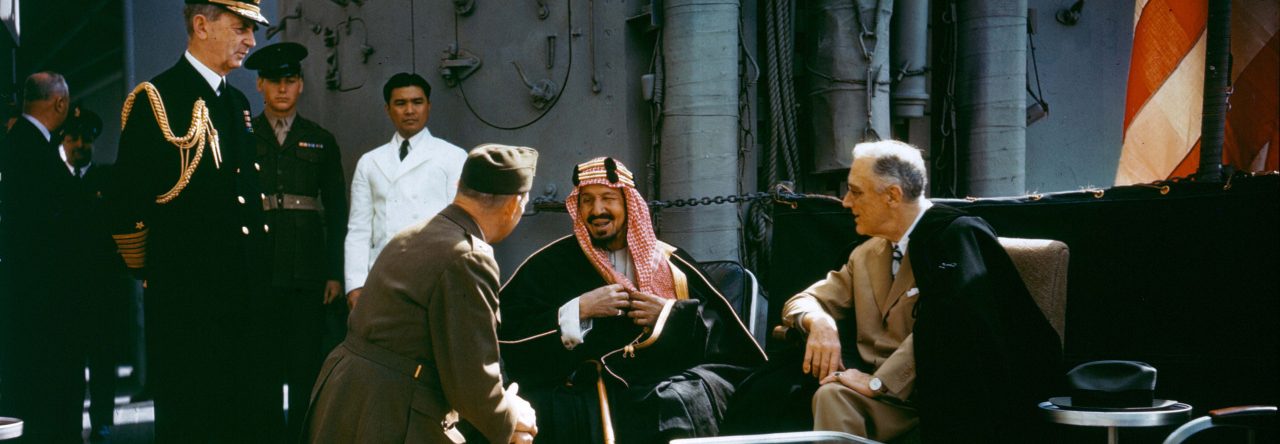
A reader sends me yet another piece of contemporary evidence from the mainstream U.S. media for Rashid Khalidi’s PLO connection, to add to the collection I assembled at the end of October. This one appears in the Los Angeles Times of February 20, 1984, in an article by Doyle McManus under the headline: “Account of PLO Talks Questioned: Reagan Unaware of Such Contacts, His National Security Aide Declares.” The article discusses reports of back-channel U.S.-PLO talks. One of the named sources is Rashid Khalidi, identified simply as “a former PLO official,” who is quoted verbatim on thinking within the PLO about the talks. By this time, Khalidi would have been in the United States (he left Beirut the previous year). McManus is a consummate professional, now for many years chief of the Los Angeles Times Washington bureau.

Khalidi’s PLO connection, or his past consistent claim of such a connection, is well established by a string of references in the mainstream media over an eight-year period (1976-84), not one of which he contested or corrected at the time.

When the election-season controversy surrounding Khalidi blew up, he told the Washington Post he would “stick to my policy of letting this idiot wind blow over.” But the wind just keeps blowing in more evidence. I am grateful to diligent readers who continue the search.

This item also has been added as an update to the original post “Khalidi of the PLO.”

What do the financial crisis and U.S. Middle East policy have in common?

Behind the financial crisis was a well-practiced mechanism for concealing risk. The risk was there, and it was constantly growing, but it could be disguised, repackaged and renamed, so that in the end it seemed to have disappeared. Much of the debate about foreign policy in the United States is conducted in the same manner: policymakers and pundits, to get what they want, conceal the risks.

In the case of the Middle East, they concealed the risks of bringing Yasser Arafat in from the cold; they concealed the risks of neglecting the growth of Al Qaeda; and they concealed the risks involved in occupying Iraq. It isn’t that the risks weren’t known—to someone. The intelligence was always there. But if you were clever enough, and determined enough, you could find a way to conceal them. But concealed risk doesn’t go away. It accumulates away from sight, until the moment when it surges back to the surface. It did that after Camp David in 2000, when the “peace process” collapsed in blood; it did that on 9/11, when hijackers shattered the skies over New York in Washington; and it happened in Iraq, when an insurgency kicked us back. This tendency to downplay risk may be an American trait: we have seen it in U.S. markets, and we saw it in U.S. election-year politics. In Middle East policy, its outcome has been a string of very unpleasant surprises.

A case in point is radical Islam. One would think that after the Iranian revolution, the assassination of Anwar Sadat, the terrorism of Hezbollah, the Rushdie affair, the suicide attacks of Hamas and Al Qaeda, the Danish cartoons, and a host of other “surprises,” that we would not be inclined to ignore the risks posed by radical Islam. And yet there are batteries of interpreters, analysts and pundits whose principal project is to obscure if not conceal the risks. Here are some of the most widespread variations on the theme:

Worried about Ahmadinejad? Pay him no mind. He doesn’t really call the shots in Iran, he’s just a figurehead. And anyway, he didn’t really say what he’s purported to have said, about wiping Israel off the map. What the Iranians really want is to sit down with us and cut a deal. They have a few grievances, some of them are even legitimate, so let’s hear them out and invite them to the table, without preconditions. Iran isn’t all that dangerous; it’s just a small country; and even their own people are tired of the revolution. So pay no attention to Ahmadinejad, and pay no attention to the old slogans of “death to America,” because that’s not the real Iran.

Worried about the Palestinian Hamas? You’ve got it wrong. They merely represent another face of Palestinian nationalism. They aren’t really Islamists at all: Hamas is basically a protest movement against corruption. Given the right incentives, they can be drawn into the peace process. Sure, they say they will never recognize Israel, but that is what the PLO once said, and didn’t they change their tune? Anyway, Hamas controls Gaza, so there can’t be a real peace process—a settlement of the big issues like Jerusalem, refugees, borders—without bringing them into the tent. So let’s sit down and talk to them, figure out what their grievances are—no doubt, some of them are legitimate too. And let’s get the process back on track.

Troubled by Hezbollah? Don’t believe everything they say. They only pretend to be faithful to Iran’s ayatollahs, and all their talk about “onwards to Jerusalem” is rhetoric for domestic consumption. What they really want is to earn the Shiites their rightful place in Lebanon, and improve the lot of their aggrieved sect. Engage them, dangle some carrots, give them a place at the table, and see how quickly they transform themselves from an armed militia into a peaceable political party.

And so on. There is a large industry out there, which has as its sole purpose the systematic downplaying of the risks posed by radical Islam. And in the best American tradition, these risks are repackaged as opportunities, under a new name. It could just as easily be called appeasement, but the public associates appeasement with high risk. So let’s rename it engagement, which sounds low-risk—after all, there’s no harm in talking, right? And once the risk has been minimized, the possible pay-off is then inflated: if we engage with the Islamists, we will reap the reward in the form of a less tumultuous Middle East. Nuclear plans might be shelved, terror might wane, and peace might prevail.

The engagement package rests upon a key assumption: that these “radical” states, groups, and individuals are motivated by grievances. If only we were able to address or ameliorate those grievances, we could effectively domesticate just about every form of Islamism. Another assumption is that these grievances are finite—that is, by ameliorating them, they will be diminished.

It is precisely here that advocates of “engagement” are concealing the risk. They do so in two ways. First, they distract us from the deep-down dimension of Islamism—from the overarching narrative that drives all forms of Islamism. The narrative goes like this: the enemies of Islam—America, Europe, the Christians, the Jews, Israel—enjoy much more power than the believing Muslims do. But if we Muslims return to the faith, we can restore to ourselves the vast power we exercised in past, when Islam dominated the world as the West dominates it today. The Islamists believe that through faith—exemplified by self-sacrifice and self-martyrdom—they can put history in reverse.

Once this is understood, the second concealment of risk comes into focus. We are told that the demands of Hamas, Hezbollah or Iran are finite. If we give them a concession here, or a foothold there, we will have somehow diminished their demand for more concessions and footholds. But if their purpose is the reversal of history, then our gestures of accommodation, far from enticing them to give up their grand vision, only persuade them to press on. They understand our desire to engage them as a sign of weakness—an attempt to appease them—which is itself an enticement for them to push harder against us and our allies. And since they believe in their narrative of an empowered Islam with the fervency of religious conviction, no amount of insistence by us that we will go only so far and no further will stop them.

Our inability to estimate this risk derives in part from our unwillingness to give credence to religious conviction in politics. We are keen to recast Islamists in secular terms—to see them as political parties, or reform movements, or interest groups. But what if Islamists are none of these things? What if they see themselves as soldiers of God, working his will in the world? How do you deal with someone who believes that a paradise awaits every jihadist “martyr,” and that the existence of this paradise is as real and certain to him as the existence of a Sheraton Hotel in Chicago? Or that at any moment, the mahdi, the awaited one, could make a reappearance and usher in the end of days? How do we calculate that risk?

So what are the real risks posed by Islamic extremism? If I were preparing a prospectus for a potential investor in “engagement,” or a warning label on possible side effects of “engagement,” they would include these warnings:

Iran: The downside risk is that Iran will prolong “engagement” in such a way as to buy time for its nuclear program—perhaps just the amount of time it needs to complete it. At the same time, it will use the fact of “engagement” with the United States to chisel away at the weak coalition of Arab states that the United States has cobbled together to contain Iran. If “engagement” is unconditionally offered, Iran will continue its subversive activities in Iraq and Lebanon until it receives some other massive concession. Indeed, it may even accelerate these activities, so as to demand a higher price for their cessation. If the United States stands its ground and “engagement” fails, many in the Middle East will automatically blame the United States, but by then, military options will be even less appealing than they are today.

Hamas: The downside risk is that “engagement”—even if conducted indirectly through various mediators—will be the nail in the coffin of Mahmoud Abbas, and of any directly negotiated understandings between Israel and the Palestinians. It is true that Israelis and Palestinians aren’t capable today of reaching a final status agreement. But the present situation in the West Bank allows for a degree of stability and cooperation. This is because Israel stands as the guarantor against Hamas subversion of the West Bank. “Engagement” with Hamas would weaken that guarantee, signal to Palestinians once again that terrorism pays, and validate and legitimate the anti-Semitic, racist rhetoric that emanates daily from the leaders and preachers of Hamas. It might do all this without bringing Israeli-Palestinian peace even one inch closer.

Hezbollah: The downside risk is that “engagement” will effectively concede control of Lebanon to an armed militia that constitutes a state within a state. It will undermine America’s pretension to champion civil society and pluralism in the most diverse Arab state. It will constitute the final rout of the beleaguered democracy forces within Lebanon, which have been consistently pro-American. It will compound the unfortunate effects of the 2006 summer war, by seeming to acknowledge Hezbollah as the victor. And it might do all this without bringing about the disarming of a single Hezbollah terrorist, or the removal of a single Iranian-supplied missile from Lebanon.

One would have to be a relentless pessimist to believe that all the downside risks I have outlined would be realized. But every serious advocate of “engagement” should acknowledge the risks, and explain their strategy for mitigating them. And it isn’t enough to say: don’t worry, we’re going to practice “tough engagement.” Perhaps we might. But most of the risks arise from the very fact of engagement—from the legitimacy it accords to the other party.

In the Middle East, the idea that “there’s no harm in talking” is entirely incomprehensible. It matters whom you talk to, because you legitimize your interlocutors. Hence the Arab refusal to normalize relations with Israel. Remember the scene that unfolded this past summer, when Bashar Asad scrupulously avoided contact with Ehud Olmert on the same reviewing stand at a Mediterranean summit. An Arab head of state will never directly engage Israel before extracting every concession. Only an American would think of doing this at the outset, and in return for nothing: “unconditional talks” is a purely American concept, incomprehensible in the Middle East. There is harm in talking, if your talking legitimates your enemies, and persuades them and those on the sidelines that you have done so from weakness. For only the weak talk “unconditionally,” which is tantamount to accepting the enemy’s conditions. It is widely regarded as the prelude to unconditional surrender.

The United States cannot afford to roll the dice again in the Middle East, in the pious hope of winning it all. Chances are slim to nil that the United States is going to talk the Iranians, Hamas or Hezbollah out of their grand plan. Should that surprise us? We “engaged” before, with Yasser Arafat, and we know how that ended. We downplayed radical rhetoric before, with Osama bin Laden, and we know how that ended. We assumed we could talk people out of their passions in Iraq, and we know how that ended.

It is time to question risk-defying policies in the Middle East. The slogans of peace and democracy misled us. Let’s not let the new slogan of engagement do the same. The United States is going to have to show the resolve and grit to wear and grind down adversaries, with soft power, hard power and will power. Paradoxically, that is the least risky path—because if America persists, it will prevail.

This post originally appeared in the series On Second Thought, published by the Adelson Institute, Shalem Center, Jerusalem.